
Primary Health Centres (PHCs)
Registration, consultations, pharmacy, billing, reporting, and dependable day-to-day continuity.
From a focused PHC or clinic to a complex teaching hospital, HealthLedger connects the patient journey, clinical work, service departments, revenue, reporting, and administration around the way your facility already operates.
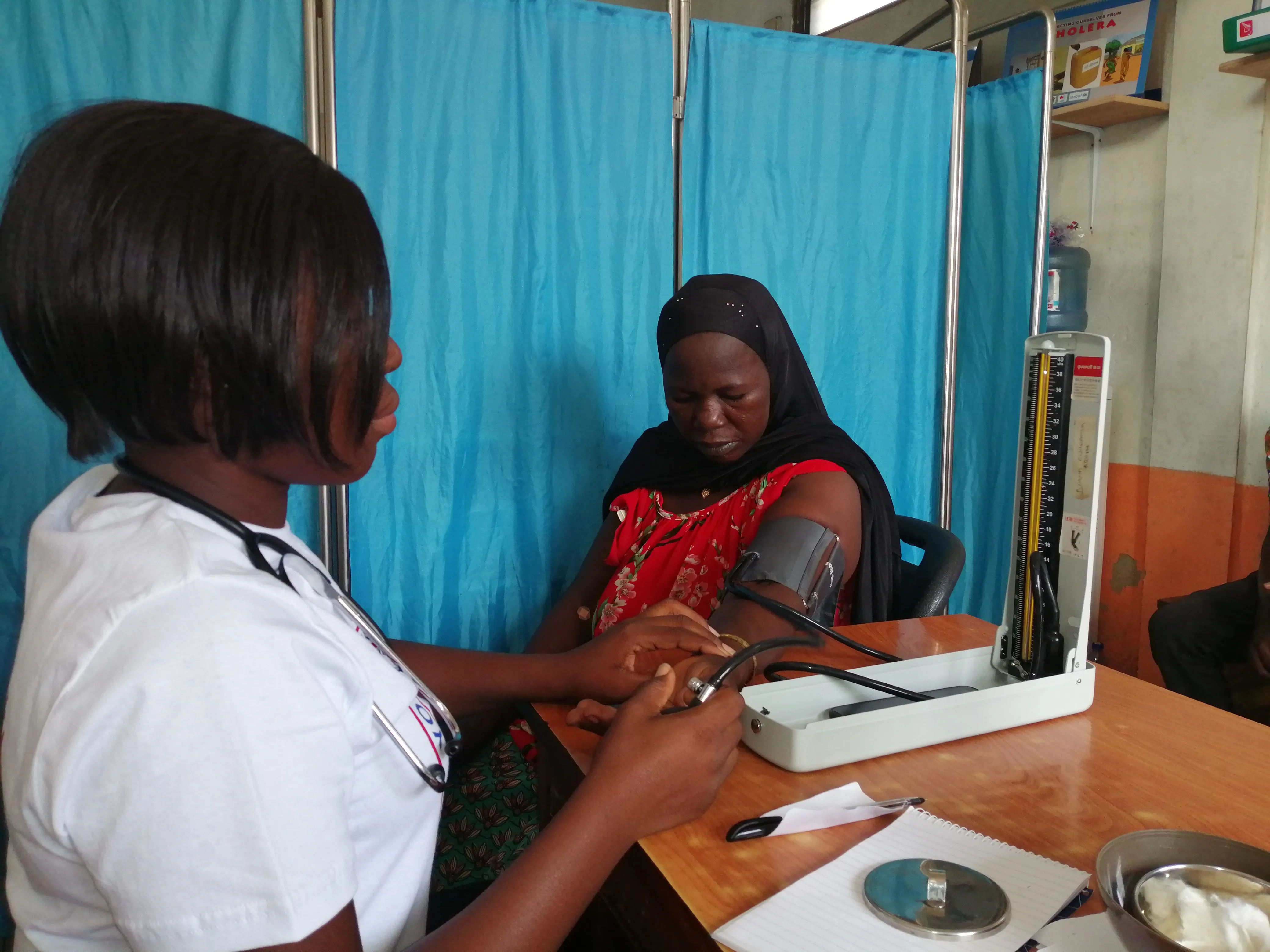
Facility fit
Support for different facility types does not mean forcing each one into the same setup. Modules, departments, access, workflows, and reporting are selected around the care and operating model in place.
Registration, consultations, pharmacy, billing, reporting, and dependable day-to-day continuity.
Appointments, patient history, clinical notes, service requests, payments, and follow-up care.
Coordinated outpatient, inpatient, diagnostic, pharmacy, finance, and administrative work.
Department-level access, high-volume workflows, management reporting, and phased adoption.
Configurable workflows that preserve the facility's specialist clinical and operational model.
Multi-department care, diagnostics, reporting, administration, and integration across complex operations.
Operational outcomes
HealthLedger connects daily work without making every role see or manage the same information.
Reception teams find returning patients, create new records, manage appointments, and open the right visit.
Doctors and nurses carry history, vitals, notes, diagnoses, orders, and service requests through the visit.
Laboratory, radiology, pharmacy, admissions, and other teams see assigned work and return progress to the visit.
Cashiers and finance teams connect charges, payments, receipts, and revenue activity to the work delivered.
Roles, departments, access, imports, printing, and complete audit logs stay with authorized managers.
Management reporting brings patient flow, services, payments, departments, and operating activity into view.
Implementation
Initial live operation is the first milestone, not a claim that every historical record and bespoke connection is completed in hours. Training, migration, mapping, and expansion continue in a sequence your team can absorb.
Align departments, modules, roles, and the patient journey with the way your facility already operates.
Full staff training and onboarding support are included for users and administrators.
A facility can begin operating on HealthLedger within hours once its initial setup is ready.
We work with your team to bring existing records across while the facility remains operational.
Add further modules, reporting, data mapping, and facility-specific connections as required.
Deployment and continuity
Deployment planning covers the access model, facility readiness, data responsibilities, and the teams responsible for administration.
Give authorized teams access through an internet connection without managing a server at the facility.
Keep core facility work available when internet connectivity is interrupted. Local power, hardware, and network readiness remain part of deployment planning.
Hospital data control
Authorized exports remain available to the hospital. HealthLedger manages backup and recovery, while data retention is configured around hospital policy and applicable legal obligations. Exact technical and policy scope is agreed during implementation.
Commercial fit
Instead of publishing a one-size package, HealthLedger uses three inputs to structure pricing.
Facility size
Selected modules
Patient volume
Buyer questions
HealthLedger supports Primary Health Centres (PHCs), clinics, medium-sized hospitals, large hospitals, specialist hospitals, and teaching hospitals. The configuration reflects each facility's departments, clinical focus, patient volume, and responsibilities.
A facility can begin live operation within hours once the initial setup is ready. That first-use milestone is separate from the completion of historical-record migration, bespoke data mapping, or facility-specific integrations.
Yes. We work with your team to migrate existing records as needed while staff continue using HealthLedger. The migration approach depends on the source records and the facility's priorities.
Yes. Full staff training and onboarding support are included for the people using, managing, and administering the workflows selected by the facility.
Facilities can choose a local-server deployment so core work does not depend on internet availability. Local power, hardware, and network readiness remain part of deployment planning.
Pricing is structured by facility size, selected modules, and patient volume. The demo and discovery conversation establishes the operating scope before a commercial proposal is prepared.
Yes. Authorized data export, backup, recovery, and retention are configured around hospital policy and applicable legal obligations.
Walk through your current patient journey, modules, training, migration, deployment, data policies, integrations, and pricing factors.